The return of Age of Mythology: Retold marks a significant milestone for fans of real-time strategy (RTS) games. Originally released in 2002 by Ensemble Studios, the original Age of Mythology was a groundbreaking title that combined mythology and strategy in a way no game had before. Now, with Retold, the game is being reimagined for modern systems, promising enhanced visuals, refined gameplay, and an even deeper connection to its mythological roots.

In this article, we’ll dive into every aspect of Age of Mythology: Retold, revisit the legacy of the original game and its versions, and evaluate whether this remaster lives up to expectations.

In a gaming era where realism and strategy are becoming increasingly intertwined, Manor Lords stands tall as a groundbreaking title that pushes the boundaries of medieval simulation. Released in early access on April 26, 2024, this game by Slavic Magic, a studio driven by solo developer Greg Styczeń, has already carved out its place among city-builders and strategy games. With its unique blend of organic city-building mechanics and real-time tactical combat, Manor Lords offers players an unparalleled look into the intricate challenges of managing a medieval settlement.

Released in October 2016, Civilization VI is a standout title in the realm of turn-based strategy games. Developed by Firaxis Games and published by 2K, it offers an unparalleled experience of guiding a civilization from its inception in the ancient era to becoming a global superpower. Through rich gameplay, historical immersion, and endless replayability, the game has become a modern classic in its genre.

In this comprehensive review, we’ll explore every aspect of Civilization VI, from its core mechanics and groundbreaking innovations to its expansions, cultural representation, and overall legacy.

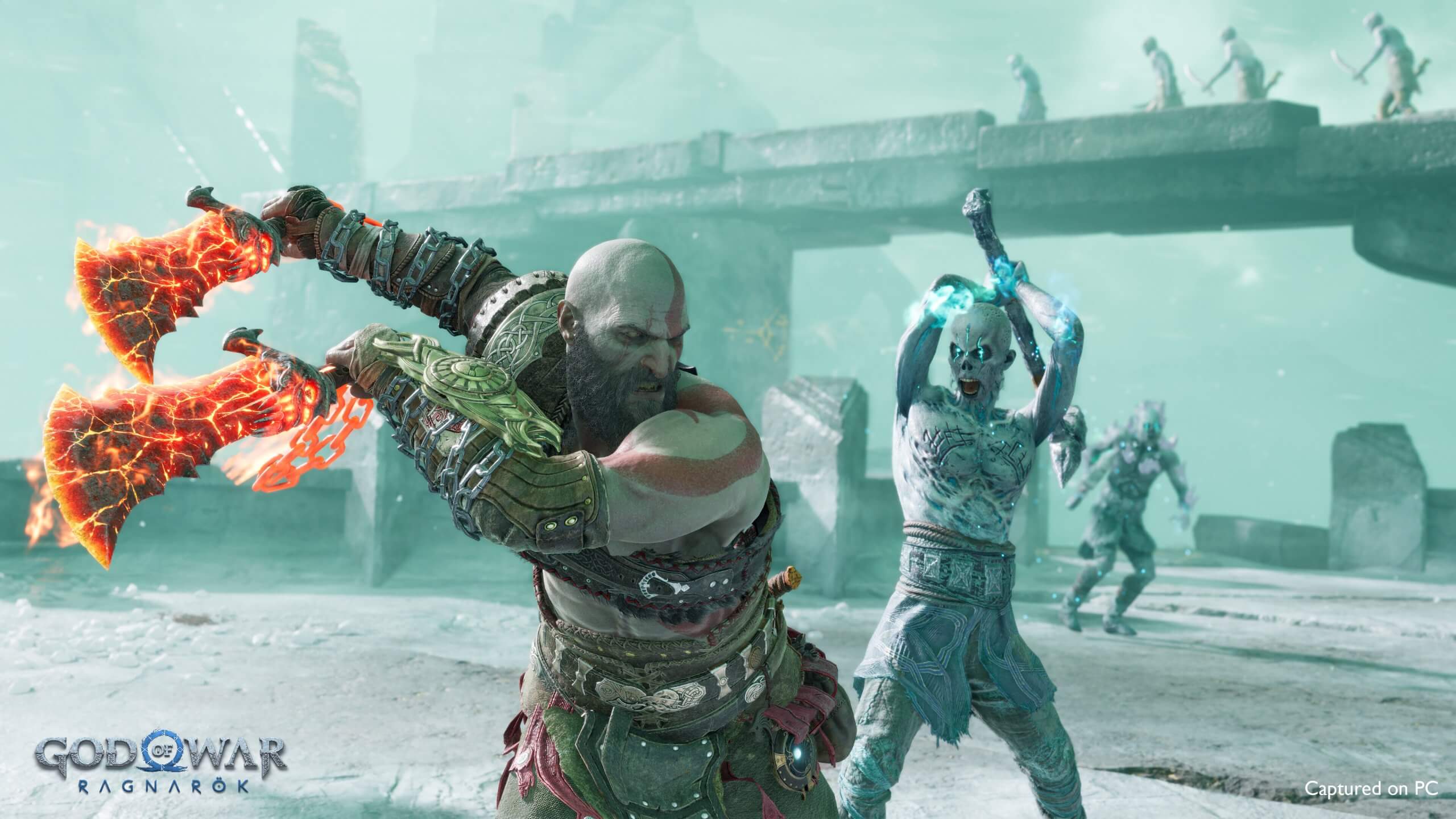
God of War Ragnarök, the much-anticipated sequel to the 2018 God of War, is not just a continuation of a saga—it’s the culmination of a series that redefined both its protagonist and the genre itself. With towering stakes, intricate lore, and breathtaking visuals, Ragnarök encapsulates the essence of the God of War franchise, while pushing it into new territory. From the emotional complexities of Kratos and Atreus’ relationship to the thunderous battles with gods and titans, God of War Ragnarök is a monumental game that will resonate for years to come.

When Cyberpunk 2077 was announced by CD Projekt Red, the gaming world held its breath. This ambitious title promised a sprawling open-world RPG set in the neon-drenched streets of Night City, brimming with futuristic themes, deep storytelling, and player-driven choices. Released in December 2020, it became one of the most talked-about games of the decade—for both good and bad reasons. Its rocky launch and subsequent redemption arc have been the subject of much debate. In this comprehensive review, we’ll dive into every aspect of the game, from its troubled development to its ultimate revival, exploring whether Cyberpunk 2077 lives up to its bold ambitions.

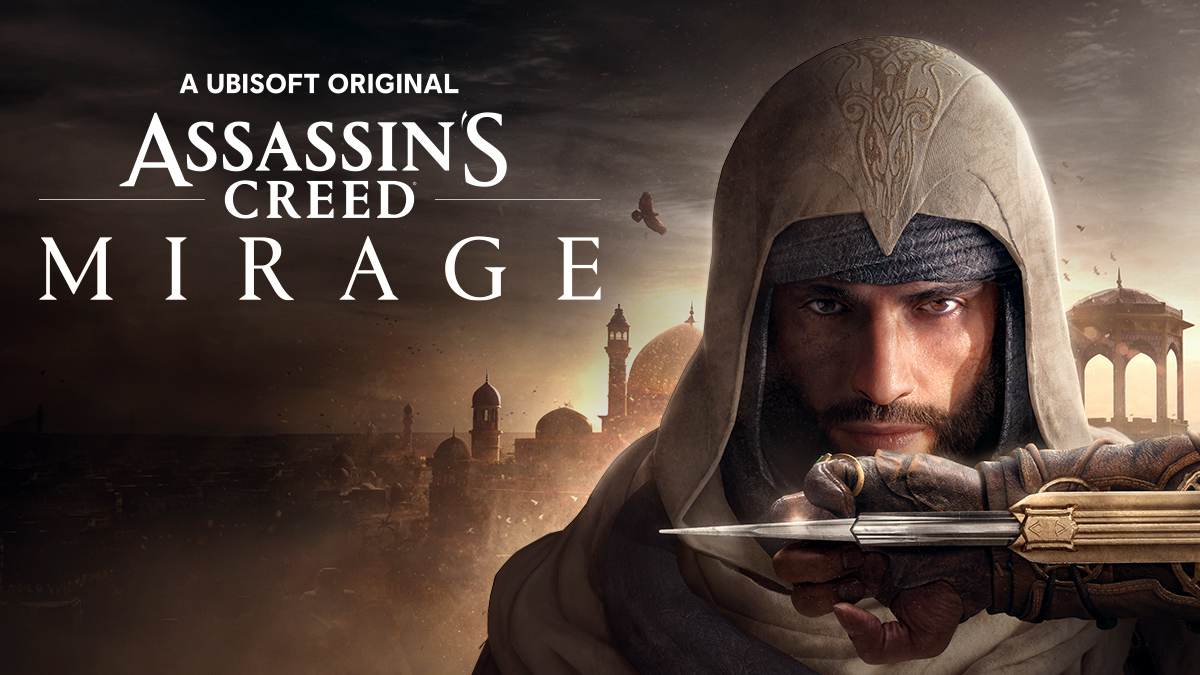
The Assassin's Creed franchise has long been a cultural touchstone in the gaming world, evolving over the years to include massive open worlds, intricate RPG elements, and expansive narratives. Yet, in this era of sprawling games, Ubisoft’s latest release, Assassin’s Creed Mirage, takes a bold step back to where it all began—stealth, simplicity, and storytelling. Set against the backdrop of 9th-century Baghdad during the Islamic Golden Age, Mirage offers a narrative-focused experience steeped in historical authenticity and a return to the franchise's stealth-driven roots.

This comprehensive article delves into the heart of Assassin's Creed Mirage, unpacking its story, setting, gameplay, and the ripple effects it will likely have on the franchise's future.